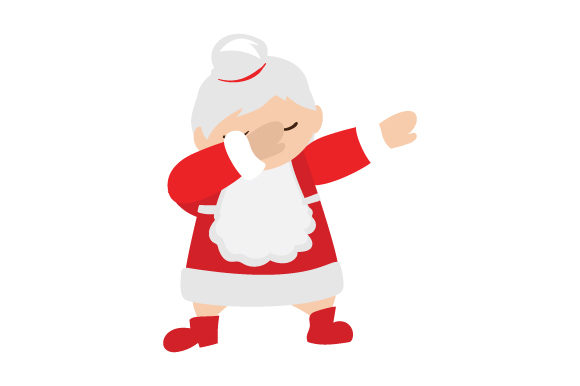
Dabbing Mrs. Claus: A Crafter’s Design Review
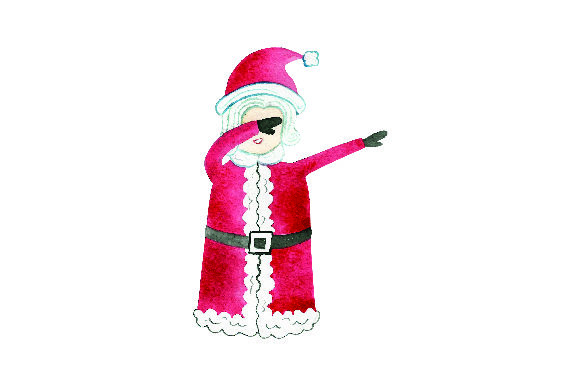
When evaluating a new machine embroidery design for the holiday season, my first question is always about personality. Does this graphic have enough character to stop a scroller on Etsy or catch a customer's eye at a craft fair? With Dabbing Mrs. Claus, the answer is an immediate yes. This isn't your grandmother’s traditional holiday clipart; it is a playful, modern twist on a classic figure that bridges the gap between nostalgic Christmas imagery and current internet culture. As a designer who creates both for personal enjoyment and commercial sale, I see this design as a high-potential asset for makers looking to add humor and trend-relevance to their seasonal lineup.
First Impressions and Visual Personality
The silhouette of Dabbing Mrs. Claus is distinct and readable even from a distance, which is crucial for custom apparel and tote bag design. The pose is dynamic yet balanced, meaning it won't look lopsided once stitched out. Visually, the design carries a mood of lighthearted fun. It feels approachable rather than formal, making it ideal for casual wear and relaxed home decor. For those of us in the craft business world, this visual tone suggests products meant for gifting among friends, office parties, or family gatherings where humor is appreciated over formality.
Because the product includes SVG, EPS, DXF, and Transparent PNG files, you have significant flexibility before you even thread your needle. I recommend using the Transparent PNG to create a printable mockup first. Place it over photos of sweatshirts or aprons to see if the scale feels right. The vector formats (SVG/EPS/DXF) are particularly valuable if you need to resize the design significantly without losing edge quality, though you must always verify stitch integrity after resizing any digital embroidery file.
Real-World Application: The Holiday Sweatshirt Test
To truly judge this design, I mentally placed it in a real production scenario: creating a batch of unisex holiday sweatshirts for a small shop product launch. In this context, Dabbing Mrs. Claus serves as a fantastic center chest or back print placement. The "dab" gesture requires clean lines to be recognizable, so when translating this to embroidery, clarity is king.
For a sweatshirt embroidery project, the design needs to interact well with fleece or French terry fabrics. These materials have texture that can swallow fine details. If you are converting this graphic into stitches, or evaluating a pre-digitized version of it, ensure the stitch density is sufficient to cover the fabric weave without becoming bulletproof. A design like this often benefits from a combination of fill stitch for the main body and crisp satin stitch borders to define the arms and hat trim. If the design is intended as an applique design, it could save thousands of stitches and result in a softer hand feel, which is preferable for wearable holiday embroidery.
I can also envision this working beautifully as an embroidered patch. The bold outline makes it perfect for merrowed edges. Patches allow you to stitch on stable twill rather than tricky stretch fabrics, giving you total control over the final look before attaching it to a denim jacket or backpack. This versatility increases the ROI of the design asset for Etsy sellers who want to offer multiple product types from a single graphic.
Navigating Fabric Challenges and Hoop Sizes
While Dabbing Mrs. Claus is versatile, it demands respect for technical limitations. The angular nature of the dabbing pose means there are likely diagonal lines and specific joint articulations. On stretchy fabrics like jersey knits used for baby embroidery or lightweight tees, these diagonals can distort if not stabilized correctly. You cannot skip the stabilizer here. A cut-away stabilizer is non-negotiable for knit garments to prevent the design from puckering or warping after washing.
Be cautious with small hoop size adaptations. Shrinking a complex character design too much can cause the arms or facial features to merge into a muddy blob. Before committing to a 4x4 hoop version, run a test stitch-out. Check the negative space between the arm and the body; if that gap closes up during stitching, the design is too small for that specific format. Similarly, on textured fabrics like tea towels or linen pillow covers, ensure the thread colors provide high contrast. White thread on cream fabric might look elegant but will fail to read as a humorous graphic. Bold reds, greens, or metallic accents usually perform better for this specific theme.
Dark fabrics present another consideration. If you are stitching this on a black or navy tote bag, you may need to add an underlay or a white base layer to make the colors pop. Without this, the design might get lost in the background, diminishing the perceived value of the handmade product.
Commercial Viability and Professional Presentation
For creative entrepreneurs, the value of Dabbing Mrs. Claus extends beyond the stitch-out. It is a branding tool. Because the design captures a specific niche—modern, funny holiday gear—it helps filter for your ideal customer. When listing this item, use the provided SVG or PNG to create consistent branding across your shop. Show the design on a flat lay, on a model, and perhaps as a digital download option if your licensing permits.
However, professionalism hinges on execution. A finished product featuring loose registration, poor tension, or inappropriate sizing will hurt buyer engagement regardless of how cute the source art is. Always check your licensing terms before selling. Confirm whether you can sell physical items, digital files, or both. Respecting intellectual property builds trust with your audience and protects your business long-term.
Consider the giftability factor. This design hits a sweet spot for personalized gifts. It is specific enough to be memorable but general enough to appeal to anyone who enjoys holiday humor. Whether applied to a kitchen apron for a baking enthusiast or a nursery pillow for a trendy mom, the design adapts to the recipient. Just remember that for baby items, safety and comfort are paramount; avoid dense stitching directly against skin and ensure all threads are securely locked.
Designer Notes for Success
Before you launch this design in your shop or start your personal Christmas crafting marathon, keep these practical tips in mind:
- Test Stitch First: Never run a new design on a final garment without testing on scrap fabric of similar weight and texture. Verify that the dabbing pose reads clearly at your chosen size.
- Check Contrast: Evaluate the design in black and white before stitching. If the values are too similar, adjust thread colors to ensure the humor lands visually.
- Stabilizer Strategy: Match your stabilizer to the fabric, not just the design. Stretchy knits need cut-away; wovens might handle tear-away, but cut-away offers better long-term durability for apparel.
- Mockup Validation: Use the Transparent PNG to visualize placement. Ensure the design doesn't sit too low on a shirt or too close to the seam allowance on a tote bag.
- License Compliance: Double-check the usage rights included with your purchase. Clarify if attribution is required or if there are limits on the number of sales for commercial embroidery projects.
- Detail Inspection: Zoom in on the vector files. If you are digitizing this yourself, simplify tiny details that won't translate to thread. If buying a pre-digitized version, inspect the stitch file for jump stitches that could snag.
Dabbing Mrs. Claus represents a fun intersection of tradition and trend. By approaching it with technical care and commercial mindfulness, you can transform this digital asset into a best-selling holiday staple. Whether you are making a single personalized gift or stocking your shelves for the rush, this design offers the visual impact necessary to stand out in a crowded market. Happy stitching!