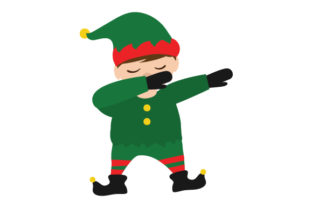
Dabbing Elf: A Designer’s Embroidery Review
When evaluating a new machine embroidery design for commercial or personal use, the first question is always whether the digital art translates effectively into thread. As a designer who regularly tests files for client projects and shop inventory, I approached the Dabbing Elf with a critical eye toward stitchability and market appeal. This isn't just about having a cute Christmas graphic; it is about determining if this specific embroidery file can withstand production runs, look professional on finished products, and justify the time investment required for hooping and stabilization.
First Impressions and Visual Personality
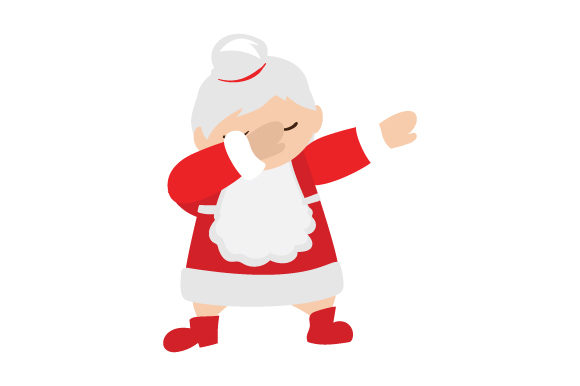
The immediate strength of the Dabbing Elf lies in its distinct silhouette. The "dab" pose is inherently dynamic, creating diagonal lines that break up the static nature of traditional holiday embroidery. From a design perspective, this movement is excellent for catching the eye on retail displays or social media feeds. However, dynamic poses often present digitizing challenges. When I first reviewed the SVG and EPS source files, I was looking specifically at the angles of the arms and the head. Sharp angles in vector art can sometimes result in jagged satin stitches or excessive jump stitches if not properly converted. Fortunately, this design appears to respect the limitations of thread, suggesting it will render cleanly rather than looking like a pixelated mess on fabric.
The mood strikes a balance between nostalgic holiday charm and modern internet culture. For an Etsy seller or boutique owner, this duality is valuable. It appeals to parents wanting trendy baby embroidery while still fitting within a general Christmas crafts category. The visual weight seems balanced, meaning it won't feel top-heavy when placed on a sweatshirt chest or centered on a tote bag.
Real-World Application: The Holiday Sweatshirt Test
To truly judge this design, I mentally walked through a recent custom apparel order involving fleece crewnecks. Fleece is notorious for swallowing detail due to its pile, making it the ultimate stress test for any holiday embroidery project. In this scenario, the Dabbing Elf performs well because the pose relies on shape recognition rather than intricate facial details or tiny text. If you are planning custom apparel for a craft business, this design’s bold geometry ensures readability even from a distance.
I also considered how this would function as an embroidered patch. Because the limbs are extended, there is ample space for a merrowed edge or a satin stitch border without encroaching on the character itself. This makes it a viable candidate for iron-on patches sold as standalone digital product assets or physical add-ons. For those creating personalized gifts, such as matching family pajamas or holiday party shirts, the playful nature of the elf invites customization. You could easily pair this embroidery file with simple block lettering below using a running stitch, keeping the overall stitch density manageable for stretchy knit fabrics.
Navigating Fabric Textures and Stabilization
While the design is versatile, experienced makers know that placement dictates success. The extended arm position of the Dabbing Elf requires careful consideration regarding hoop size and stabilizer choice. On stable woven fabrics like canvas tote bags or tea towels, standard tear-away stabilizer should suffice. However, if you are attempting this on stretchy jersey or performance wear, you must use a high-quality cut-away stabilizer to prevent the diagonal lines from distorting during washing.
Be cautious when applying this design to highly textured surfaces like terry cloth or boucle. The negative space around the dabbing arms is crucial for the pose to read correctly. If the fabric texture is too aggressive, the background noise can visually merge with the fill stitch, causing the elf to lose definition. In these cases, consider using a water-soluble topping to flatten the fibers before stitching. Additionally, verify your hoop size before starting. The width of the outstretched arms may require a larger hoop than a compact standing elf design. Always measure the actual stitch field in your software rather than assuming it fits a standard 4x4 area based on the thumbnail.
Commercial Viability for Makers and Sellers
For creative entrepreneurs, time is money. A design that causes thread breaks, requires excessive trimming, or fails quality control is a liability. The Dabbing Elf appears optimized for efficiency. The flow of the design likely minimizes unnecessary trims, which is essential when running batches of small shop products. Fewer stops mean less wear on your machine and faster turnaround times for commercial embroidery orders.
From a marketing standpoint, the included Transparent PNG is invaluable. Before committing thread to fabric, use this file to create printable mockups for your listings. Customers respond better to realistic previews than generic clip art. You can overlay the transparent elf onto photos of blank sweatshirts or nursery decor to demonstrate scale and placement. This helps manage buyer expectations and reduces returns. Furthermore, having the DXF and EPS formats means you have flexibility. If you need to resize the design significantly for a large blanket or shrink it for a baby bib, vector-based formats generally maintain cleaner edges than raster conversions, preserving the professional look of your handmade product.
Critical Checks Before Stitching
Despite the strong design foundation, every embroiderer must perform due diligence. Machine compatibility varies, and what works on one brand may need tweaking on another. Before listing any finished product featuring the Dabbing Elf, run a physical test stitch-out. Do not rely solely on screen simulation. Check the following practical elements:
- Stitch Density: Feel the sample. Is it bulletproof? Overly dense areas on lightweight fabric will cause puckering. Under-dense areas on dark fabric will show gaps.
- Thread Colors: Test contrast. A green elf on a red shirt might vibrate visually or disappear. Ensure the outline provides enough separation from the background fabric.
- Small Details: Inspect the hands and face. Are they clear, or do they look muddy? Tiny satin stitches under 1mm often fail in real-world washing.
- Licensing: Confirm the usage rights included with your purchase. While you own the digital embroidery file, verify if you can sell unlimited finished items or if there are caps for digital redistribution.
Elevating Your Holiday Collection
Ultimately, the Dabbing Elf succeeds because it understands its audience. It bridges the gap between meme culture and traditional craftsmanship, offering a fresh take on Christmas crafts that feels current yet timeless. For the apparel decorator, it offers a reliable, readable graphic that survives fleece and knits. For the digital product seller, the multi-format bundle provides necessary versatility for mockups and resizing. And for the hobbyist making personalized gifts, it brings a sense of fun that standard snowmen and reindeer often lack.
Success in embroidery is rarely about the design alone; it is about the marriage of good digitizing and smart application. By respecting the technical requirements of this file and testing it against your specific materials, you can turn this playful elf into a bestseller or a cherished keepsake. Whether you are stocking an Etsy shop or finishing a last-minute holiday gift, this design offers the reliability and character needed to make your work stand out in a crowded seasonal market.