Santa Line Dancing: Christmas Crafts Visual Asset
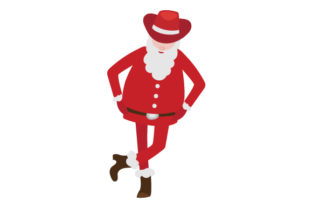
As a digital publisher and blog designer, my first interaction with any new graphic design asset is purely editorial. Before I even consider the technical specifications, I ask myself how this visual will perform in a live content environment. When reviewing the Santa Line Dancing design, the immediate impression is one of kinetic energy and nostalgic warmth. Unlike static holiday illustrations that can sometimes feel stiff or overly traditional, this asset captures movement. For a content creator in the Christmas niche, specifically those covering crafts, DIY tutorials, or family activities, this distinction is vital. It signals to the reader that the content is active, engaging, and fun rather than passive or purely informational.
The mood created by Santa Line Dancing strikes a balance between playful and polished. In editorial design, we often struggle to find seasonal graphics that do not look childish. This asset maintains a level of vector cleanliness that allows it to sit comfortably on a professional lifestyle blog or an affiliate marketing site without degrading the perceived authority of the publication. It feels modern yet festive, making it an excellent candidate for websites that need to maintain brand trust while still participating in seasonal trends. The line work suggests a hand-drawn aesthetic, which aligns perfectly with the handmade nature of craft content, yet the digital precision ensures it scales beautifully across devices.
Strategic Placement in Content Marketing Workflows
In a real publishing workflow, versatility is the metric by which I judge design assets. A single graphic must often serve multiple purposes across a content ecosystem. Santa Line Dancing excels here because of its dynamic composition. As a featured image for a blog post about holiday party planning or Christmas crafts for kids, it provides an immediate visual hook. The sense of motion draws the eye, which is essential for improving click-through rates from social feeds or email newsletters.
For Pinterest marketers, this asset is particularly valuable. Vertical Pinterest pin designs require strong focal points that remain legible at small sizes. The distinct silhouette of the dancing figure ensures that even when overlaid with bold typography, the subject matter remains instantly recognizable. I can envision using this as a recurring element in a series of pins, creating a cohesive visual identity for a holiday content campaign. Furthermore, for creators selling a digital product or offering a lead magnet like a printable activity sheet, this graphic serves as ideal cover art. It communicates the value proposition—fun, festive, active—before the user even reads the sales copy.
Beyond standard blog graphics, this asset supports broader content marketing initiatives. It works exceptionally well as a decorative accent in newsletter headers, breaking up text-heavy holiday updates. For online educators or course creators teaching holiday-themed classes, it adds personality to slide decks and worksheet headers. Even in affiliate marketing, where trust is paramount, using high-quality, relevant custom graphics instead of generic stock photos can significantly boost conversion rates by making product recommendations feel more curated and personal.
Enhancing Reader Trust Through Visual Hierarchy
Visual hierarchy is not just about aesthetics; it is about guiding the reader’s attention and establishing credibility. When integrating Santa Line Dancing into a website layout, the clean lines help establish a clear focal point. In web design, clutter is the enemy of conversion. This asset provides enough detail to be interesting but remains simple enough to avoid competing with headlines or call-to-action buttons. This balance is crucial for maintaining a professional appearance on sites focused on small business branding or creative entrepreneurship.
The availability of multiple file formats directly impacts this editorial flexibility. Receiving the design as an SVG File is a non-negotiable requirement for modern web performance. SVGs are resolution-independent and typically have tiny file sizes, ensuring that your site speed scores remain high even during traffic-heavy holiday seasons. The inclusion of a Transparent PNG is equally important for layered designs in tools like Canva or Photoshop, allowing you to place the dancer over colored backgrounds or textured paper effects without unsightly white boxes. For those who need to modify the artwork for a specific Canva template or print project, the EPS and DXF files provide the necessary vector data for resizing and editing without quality loss.
Consistency in brand identity builds reader loyalty. By utilizing this specific style of illustration across your social media graphics, blog headers, and printable design products, you create a unified visual language. Readers begin to associate this specific artistic style with your content, making your posts instantly recognizable in a crowded feed. This recognition is a subtle but powerful form of branding that generic clip art simply cannot achieve.
Publisher Notes on Implementation and Licensing
While Santa Line Dancing is a robust asset, experienced publishers know that context dictates success. There are specific environments where this graphic shines and others where caution is required. It performs best as a hero image, a category thumbnail for holiday sections, or a visual break in long-form tutorials. However, I would advise against using it as a tiny favicon or in extremely dense sidebar widgets where the intricate line work might disappear. Additionally, if your site caters to a strictly corporate B2B audience or covers serious financial topics, the whimsical nature of this asset may clash with your editorial tone. Always ensure the visual mood matches the textual content to maintain reader trust.
Before deploying this asset on a monetized platform, practical testing is essential. I always recommend previewing the graphic on both desktop and mobile screens. What looks vibrant on a 27-inch monitor might appear too small or low-contrast on a smartphone. Test the graphic against your specific brand colors; ensure there is sufficient contrast if you plan to overlay text. Try pairing it with different typefaces—a serif font for a traditional editorial look, a sans-serif for modern clarity, or a script font for a softer, craft-focused vibe. Each combination yields a different emotional response.
Crucially, verify the commercial license terms before use. If you are using this on a site with display ads, affiliate links, or within a paid digital guide, you must confirm that your usage rights cover commercial applications. Nothing undermines a professional publishing business faster than licensing disputes. Also, remember to optimize your images. Even though the source files are vectors, if you export them as PNGs for web use, run them through a compression tool to maintain fast load times. Web performance is a ranking factor, and heavy holiday graphics can inadvertently hurt your SEO if not managed correctly.
Finally, consider the longevity of the asset. While clearly themed for Christmas, the line-art style is timeless enough to be repurposed. With minor color adjustments or contextual changes, elements of this design could potentially transition into general winter content or retro-style craft features, extending the ROI of your purchase. In the fast-paced world of digital publishing, assets that offer both seasonal specificity and evergreen adaptability are the most valuable additions to a creative library. Santa Line Dancing checks these boxes effectively, making it a worthy consideration for publishers looking to elevate their holiday content strategy with professionalism and charm.