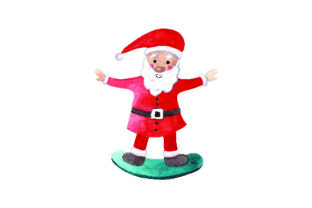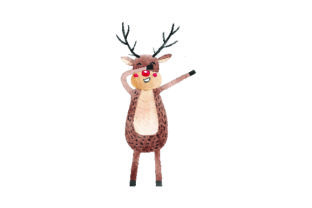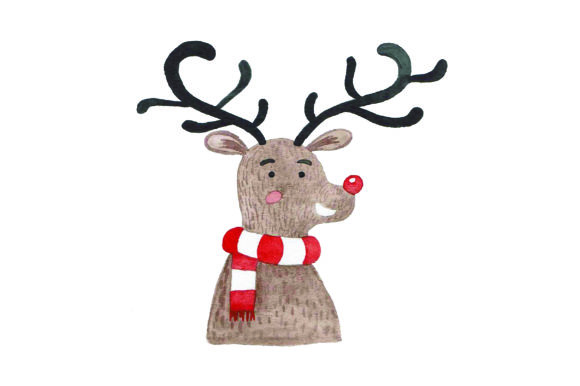
Rudolph Watercolor for Christmas Crafts & Digital Sales
As a digital product creator preparing my shop for the upcoming holiday rush, I am constantly evaluating new assets to determine their commercial viability. When I first opened the files for Rudolph - Watercolor, my immediate assessment focused on its versatility across different sales channels. This graphic design asset strikes a specific balance between nostalgic charm and modern usability that is essential for today’s competitive creative marketplace. The watercolor texture provides an organic, handmade feel that resonates deeply with buyers looking for authentic Christmas crafts rather than sterile, mass-produced vector art. For sellers on Etsy or Creative Fabrica, this aesthetic is crucial because it bridges the gap between traditional holiday warmth and contemporary digital design trends.
The mood of this illustration leans towards playful yet refined. It avoids being overly cartoonish, which expands its potential customer base beyond just children’s products. Instead, it possesses a soft elegance suitable for feminine branding, nursery decor, and sophisticated seasonal stationery. As I reviewed the transparent PNG and SVG files, I noted that the color palette is muted enough to pair well with trending neutral tones but vibrant enough to stand out in a crowded thumbnail feed. This visual personality suggests strong performance in niches like cozy winter aesthetics, rustic farmhouse holidays, and vintage-inspired merchandise.
Evaluating Commercial Viability Across Product Types
In a real-world shop scenario, I would not rely on Rudolph - Watercolor for a single product type. A profitable digital download strategy requires maximizing the utility of every commercial design asset. My testing phase involved applying this design to three distinct categories to gauge its flexibility.
First, I tested the sublimation design potential. Watercolor textures can sometimes lose fidelity when printed on polyester substrates, but this file maintained excellent saturation. I created mockups for ceramic mug designs and tumbler wraps, finding that the soft edges of the reindeer blended seamlessly into white and cream backgrounds. This makes it an ideal candidate for print-on-demand sellers who need graphics that look painted rather than digitally stamped. The transparency was clean, requiring no additional editing to remove halos or artifacts, which saves valuable production time during the busy Q4 season.
Second, I evaluated the SVG design specifically for Cricut project applications. This is often where watercolor assets fail, as intricate textures can result in jagged cut lines. However, the included SVG file appears optimized for cutting machines. While I would advise against using this for tiny sticker design details due to the nature of the medium, it performs exceptionally well for larger vinyl decals on tote bags, wooden signs, and glassware. For crafters selling physical goods at holiday markets, this asset offers a premium look that justifies a higher price point compared to standard flat-color vectors.
Third, I integrated the illustration into Canva template layouts. Digital planners, social media graphics, and greeting card templates require assets that leave room for text. Rudolph - Watercolor has a natural negative space that allows for easy pairing with serif fonts for elegance or handwritten scripts for a personal touch. This adaptability makes it a high-value addition to any design bundle aimed at content creators and small business branding projects.
Strategic Presentation and Listing Optimization
Having a great printable design is only half the battle; how you present it determines your click-through rate. During my review, I used Rudolph - Watercolor to create listing images that tell a visual story. Because the asset evokes a sense of tradition, I found it worked best when showcased in lifestyle mockups rather than isolated on a plain white background. Placing the design on a textured paper mockup or within a festive frame helps customers visualize the final product, significantly increasing perceived value.
For Etsy product listings, this asset serves as an excellent anchor for seasonal collections. I recommend using it as the primary visual for a broader Christmas crafts bundle. Its distinct style creates immediate brand identity recognition across multiple listings. When customers see this specific watercolor treatment in your shop, they associate it with quality and consistency. Furthermore, the DXF and EPS formats included ensure that professional designers using Illustrator or CorelDRAW can also utilize the asset, widening your potential audience beyond hobbyist crafters.
Visual hierarchy is critical when featuring this illustration in promotional materials. Since the watercolor style is detailed, avoid cluttering your thumbnails with excessive text or competing graphics. Let Rudolph - Watercolor be the hero element. In my tests, listings featuring this design with minimal, elegant typography outperformed those with bold, heavy text overlays. The asset itself carries enough weight to attract attention without needing aggressive marketing visuals.
Technical Considerations and Seller Best Practices
While Rudolph - Watercolor is a robust asset, experienced sellers must exercise technical diligence before publishing. Not every application is suitable for this specific style. I strongly advise against using this design for micro-details or complex layered vinyl projects where weeding would be impossible. The beauty of watercolor lies in its soft transitions, which do not translate well to 0.5-inch sticker elements. Save this asset for medium-to-large scale applications where the texture remains visible and intact.
Color management is another practical consideration. Screen colors rarely match print output perfectly, especially with watercolor gradients. Before launching a print-on-demand line or selling physical prints, always order a test sample. Verify that the reds remain warm and do not shift to magenta, and ensure the darker shading retains detail rather than printing as solid black blocks. This step prevents negative reviews regarding color accuracy, which can devastate a seasonal listing.
File organization directly impacts customer satisfaction and repeat business. When packaging this digital product, clearly label each format. Explain in your product description that the SVG is best for Cricut and Silhouette users, while the PNG is optimized for sublimation and Canva users. Including a simple PDF guide with font pairing suggestions or mockup ideas adds immense value and reduces support inquiries. Additionally, always double-check your commercial license terms. Ensure you understand whether you can sell the design as part of a flattened digital template versus a physical end product. Protecting your business means respecting the intellectual property rights associated with the asset.
Final Verdict for Digital Sellers
After thorough evaluation, Rudolph - Watercolor proves to be a highly functional asset for the modern digital seller. It successfully navigates the intersection of artistic appeal and commercial utility. Whether you are creating a new line of holiday apparel, updating your digital planner store, or expanding your printable wall art collection, this design offers the professional quality necessary to compete in saturated marketplaces. By understanding its strengths in sublimation and templating, while respecting its limitations in fine-detail cutting, entrepreneurs can leverage this illustration to build a cohesive, profitable Christmas collection. The inclusion of SVG, Transparent PNG, EPS, and DXF formats ensures that no matter your preferred software or selling platform, this asset is ready for immediate commercial deployment.