Reindeer Watercolor Design: An Embroidery Review
As a professional embroidery digitizer and product reviewer, I approach every new machine embroidery design with a critical eye. It is not enough for a graphic to look beautiful on a screen; it must translate effectively into thread. When evaluating the Reindeer with Ornaments Hanging from Antlers - Watercolor design, my primary focus is on how this artistic style performs when converted into stitches for real-world projects. This review breaks down the practical application of this artwork for fellow designers, Etsy sellers, and craft business owners who need assets that result in high-quality finished products.
First Impressions and Artistic Translation
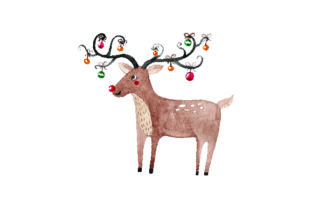
The initial appeal of Reindeer with Ornaments Hanging from Antlers - Watercolor lies in its soft, organic aesthetic. Unlike rigid vector art or cartoonish clip art, watercolor styles offer a sense of nostalgia and warmth that is particularly effective for holiday embroidery. The mood is gentle and traditional, making it an immediate candidate for heirloom-quality items rather than novelty goods. However, as any experienced embroiderer knows, watercolor presents unique challenges. The blending of colors and soft edges seen in the digital file must be interpreted carefully during digitizing to avoid a muddy or overly dense stitch-out.
Visually, the composition is balanced. The reindeer’s head provides a solid central anchor, while the ornaments hanging from the antlers create vertical interest without extending too far horizontally. This layout is crucial for hoop size compatibility. A wide, sprawling design often limits where you can place it on a garment, but this vertical orientation suggests it will fit comfortably on standard 5x7 hoops and potentially even 4x4 hoops if scaled appropriately. For a craft business owner, this versatility means one embroidery file can serve multiple product lines, from adult sweatshirts to children's bibs.
Real-World Application: The Custom Sweatshirt Test
To truly judge this design, I mentally placed it in a specific production scenario: creating a premium holiday sweatshirt for a boutique client. In this context, the Reindeer with Ornaments Hanging from Antlers - Watercolor serves as the centerpiece of a custom apparel item. The goal was to achieve a look that felt hand-painted rather than mass-produced.
For this project, the choice of stitch type matters immensely. If the digital embroidery file utilizes heavy fill stitches to replicate the watercolor wash, the sweatshirt fabric could become stiff and unappealing. Ideally, this design should employ a mix of running stitches for texture and lighter density fills to maintain the drape of the fleece. The ornaments themselves likely require satin stitches or precise appliqué techniques to pop against the softer fur texture. When stitched correctly on a heather grey or cream sweatshirt, the contrast between the matte thread and the cozy fabric elevates the perceived value of the handmade product. Customers are willing to pay more for embroidery that looks integrated with the garment rather than like a sticker slapped on top.
This design also shows promise for tote bag design and tea towels. The natural fibers of canvas and linen accept watercolor-style embroidery beautifully because the thread sheen mimics the wet-on-wet look of actual paint. For an Etsy seller, listing photos featuring this design on textured natural fabrics will likely drive higher engagement than flat mockups.
Navigating Fabric Limitations and Technical Risks
While versatile, Reindeer with Ornaments Hanging from Antlers - Watercolor requires careful consideration regarding substrate selection. Not all fabrics are friends with watercolor aesthetics. I would advise caution when using this design on highly textured terry cloth or thick pile fabrics unless the digitizing includes significant underlay or knockdown stitches. The delicate details of the antlers and ornament hooks can easily get lost in the nap of a towel, resulting in a messy finished product.
Stretchy knits and performance wear present another challenge. Watercolor designs often cover larger surface areas to achieve shading effects. On stretchy fabric, this coverage can cause tunneling or distortion if the proper stabilizer is not used. For baby embroidery on onesies, ensure the design has been tested for softness; dense watercolor shading can be abrasive against sensitive skin. In such cases, verifying the stitch density is non-negotiable before running a production batch.
Dark fabrics also demand scrutiny. Watercolor relies on light passing through layers to create depth. On black or navy fabric, the design may require a white underlay base to make the thread colors visible, which significantly increases stitch count and stiffness. Always test on a scrap of your intended dark fabric first. If the design loses its ethereal quality when backed with white, it may be better suited for light-colored garments only.
Commercial Viability and Brand Consistency
For creative entrepreneurs, consistency builds trust. Using Reindeer with Ornaments Hanging from Antlers - Watercolor across various holiday embroidery collections can establish a cohesive brand identity. The style bridges the gap between farmhouse rustic and modern minimalist, appealing to a broad demographic. However, professional presentation is key. Before listing items for sale, create accurate printable mockups or stitch samples. Misrepresenting how a watercolor design translates to thread leads to returns and negative reviews.
If you are selling the design assets themselves or using them for commercial embroidery, verify the licensing terms included with the SVG, Transparent PNG, EPS, and DXF files. While these formats are excellent for sublimation, vinyl cutting, or laser engraving, they do not inherently contain stitch data. You or your digitizer must convert these vector/raster formats into machine-readable embroidery files (like DST, PES, or EXP). Do not assume the provided files are ready-to-stitch without checking. Understanding this distinction prevents costly mistakes and ensures you are delivering a viable embroidery project to your clients.
Essential Designer Notes for Success
Based on my evaluation, here are practical steps to ensure success with this design:
- Test Stitch First: Never run this design directly on a final product without a test sew-out. Watercolor shading varies wildly between digitizers.
- Check Thread Palette: Ensure your machine’s color palette matches the soft gradients intended. High-saturation rayon threads might overpower the subtle watercolor vibe; consider matte cotton or polyester threads for a more authentic look.
- Stabilizer Selection: Use cut-away stabilizer for knits and tear-away for wovens. For sheer fabrics, consider organza or water-soluble toppings to prevent stitches from sinking.
- Scale Responsibly: Reducing the design too much may cause the ornament details to merge. Check the minimum recommended size to preserve clarity.
- Mockup Verification: Compare the digital art against a physical stitch sample in both natural and artificial lighting to ensure color accuracy for customer listings.
- Format Awareness: Remember that SVG, PNG, EPS, and DXF are source formats. Confirm you have the appropriate embroidery conversion before starting production.
Ultimately, Reindeer with Ornaments Hanging from Antlers - Watercolor is a strong contender for holiday collections, provided it is treated with technical respect. Its charm lies in its artistic softness, but its success depends entirely on the maker's attention to fabric choice, stabilizing methods, and digitizing quality. By approaching this design with a practical mindset, you can transform a beautiful digital image into a tangible, sellable asset that delights customers and showcases your craftsmanship.