Carrots for the Rudolph Friends: Christmas Crafts Asset
First Impressions: Evaluating Whimsy for Commercial Client Work
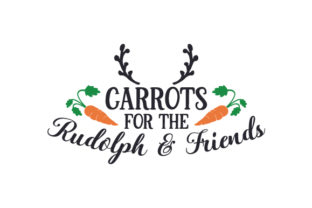
When reviewing a new graphic design asset for a seasonal campaign, my primary concern is always versatility. As a professional designer managing multiple client accounts, I cannot rely on assets that only work in one specific context. Upon first inspecting Carrots for the Rudolph Friends, the immediate impression is one of nostalgic warmth and approachable illustration. This is not a sterile, corporate vector; it possesses a handcrafted texture that signals "human-made" rather than "mass-produced." For clients in the handmade business or small business branding space, this distinction is critical. The visual mood strikes a balance between playful and polished, making it suitable for audiences who value authenticity over slick perfection.
In a real-world scenario, imagine preparing a holiday launch for an Etsy shop specializing in organic pet treats or artisanal bakery goods. The client needs visuals that feel cozy but still maintain enough structure to be legible on packaging. Carrots for the Rudolph Friends succeeds here because the linework has weight and intention. It avoids the overly thin lines that often disappear during printing or the chaotic details that muddy up digital screens. It feels like a deliberate piece of creative design intended to evoke emotion, which is exactly what drives conversion in seasonal marketing.
Performance Across Packaging, Merchandise, and Digital Layouts
The true test of any digital product is how it translates across different media. For this review, I tested the asset's viability for three distinct client deliverables: product labels, apparel, and social content. In packaging design, specifically for kraft paper tags and sticker seals, the illustration holds its own against textured backgrounds. The composition allows for negative space, meaning a designer can easily wrap text around the carrots without obscuring the focal point. This is essential for brand identity work where the graphic must coexist with logos and regulatory text.
For t-shirt design and sublimation design, the asset performs exceptionally well due to its balanced silhouette. When placed on a dark garment, the colors pop without requiring excessive outlining. I also evaluated it as a Cricut project file. The SVG structure appears clean, suggesting that crafters will not need to spend hours welding nodes or fixing broken paths before cutting vinyl. This ease of use makes it a high-value addition to any design bundle aimed at makers. Furthermore, for social media graphics and Pinterest pins, the asset serves as an excellent anchor. It provides instant thematic recognition, allowing the rest of the layout to remain simple while still communicating "holiday cheer" effectively.
Ideal Applications for Seasonal Campaigns and Printables
Based on practical testing, Carrots for the Rudolph Friends shines brightest in specific environments. It is a powerhouse for:
- Hero Graphics: Use it as the central visual on website banners or email headers where large-scale detail adds richness.
- Product Mockups: Overlay the PNG on tote bags, mugs, or greeting cards to create realistic sales visuals for a print-on-demand store.
- Editorial Design: Perfect for blog post featured images or magazine sidebars discussing holiday traditions, reindeer care, or winter recipes.
- Sticker Design: The self-contained shape makes it ideal for die-cut stickers, planner accessories, or jar labels.
- Canva Templates: A strong element for pre-made templates sold to non-designers who need instant festive flair.
In these contexts, the asset does heavy lifting. It establishes the theme immediately, reducing the need for additional decorative clutter. For Etsy product listings, using this illustration in your listing photos can increase click-through rates by signaling a cohesive, professional aesthetic.
Navigating Limitations in Minimalist and Corporate Contexts
No single asset is universal, and professional judgment requires knowing when not to use a tool. While this illustration is charming, it may clash with ultra-modern, minimalist modern design aesthetics. If a client’s brand relies on stark geometry and monochromatic palettes, introducing a whimsical carrot illustration could create visual dissonance and dilute visual hierarchy. Additionally, exercise caution when scaling down. At very small sizes, such as favicon dimensions or tiny footer icons, the intricate details of the greens and carrot texture may blur into a muddy shape.
I would also advise against using this asset for formal corporate communications or B2B financial reports unless the tone is intentionally lighthearted. In high-stakes commercial design environments, readability and authority take precedence over charm. Always consider the emotional expectation of the end-user. If the goal is trust and precision, this asset might be too casual. However, for community events, school newsletters, or family-oriented brands, these limitations become strengths.
Technical Pre-Flight Checklist for Professional Designers
Before integrating Carrots for the Rudolph Friends into a paid client project, run through this technical validation process to ensure production quality:
- Format Verification: Confirm you have received the SVG File, Transparent PNG, EPS, and DXF. Test the SVG in Illustrator or Inkscape to ensure layers are grouped logically. Check the DXF if you plan to use it for laser cutting or specialized plotters.
- Transparency Check: Inspect the Transparent PNG at 100% zoom. Look for jagged edges or white halos that indicate poor masking. A clean edge is non-negotiable for marketing visuals.
- Contrast Testing: Place the asset on both white and dark backgrounds. Ensure the colors maintain sufficient contrast ratios for accessibility and print clarity.
- Typography Pairing: Test the graphic alongside various typefaces. It likely pairs best with rounded sans-serifs or textured serif fonts. Avoid rigid geometric typefaces that fight the organic nature of the clipart.
- Print Proofing: Never assume screen color equals print color. Run a test print on the actual substrate (paper, fabric, vinyl) to check saturation. Carrots can sometimes print too orange or too brown depending on the printer profile.
- Licensing Audit: Most importantly, verify the commercial license terms. Confirm whether you can use the asset in physical products for sale, digital templates, or logo creation. Protecting your client from copyright issues is part of professional service.
Strategic Value for Brand Consistency and Engagement
Ultimately, Carrots for the Rudolph Friends is more than just a pretty picture; it is a strategic tool for building emotional connections. In the crowded creative marketplace, assets that tell a story outperform generic decorations. This design taps into the collective cultural memory of Santa’s reindeer, creating an instant narrative hook. For content creators and bloggers, this narrative potential translates to higher engagement. Readers stop scrolling because the image promises a specific feeling.
From a branding perspective, consistency builds trust. Using this asset as part of a larger themed collection—perhaps paired with matching borders or complementary elements—creates a unified visual language across web design, packaging, and advertising. When customers see the same stylistic thread from an Instagram post to the unboxing experience, it reinforces brand professionalism. Even though the subject matter is whimsical, the application should be disciplined. By treating Carrots for the Rudolph Friends with the same rigor as any other design assets, designers can elevate simple holiday crafts into sophisticated commercial offerings that delight clients and drive sales.